How do I become a project manager with no experience? We seemed to get asked this question quite a lot! Does this seem like an impossible feat? Fear not, as there are numerous avenues to explore that can set you on the right path. Let’s dive into it!
Firstly, consider pursuing a project management certification. This will not only enhance your knowledge and understanding of project management principles but also provide credibility to potential employers. Organisations such as Project Management Institute (PMI) offer certifications like the Certified Associate in Project Management (CAPM), which is highly regarded in the beginner field. The idea is not to be an superstar PM, its to gain the skills and to show employers that you care enough to be given a chance in a role within the Project Management field.
Additionally, getting involved in volunteer or side projects can help build valuable experience and showcase your dedication and skills to future employers. Look for opportunities within your industry or through platforms like LinkedIn where professionals often seek assistance with their projects.
Remember, while starting out as a project manager without any experience may feel daunting, it is possible with determination, continuous learning, and strategic networking. So grab every opportunity that comes your way and seize this chance to embark on an exciting new career journey!
The importance of project managers in today’s workforce.
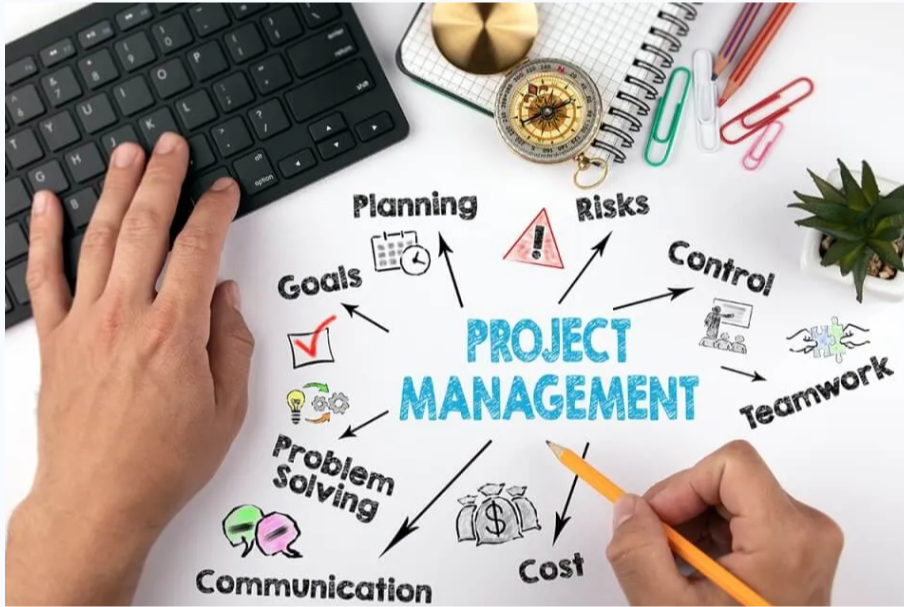
With the ever-increasing complexity of projects in today’s workforce, the role of project managers has become of paramount importance. They are not just coordinators or administrators; they are the backbone of successful project execution. Project managers play a crucial role in setting clear goals and objectives, defining milestones, and ensuring effective communication among team members.
One key aspect where project managers excel is in their ability to manage resources efficiently. In an era where organisations face limitations on time, finances, and human resources, project managers are instrumental in allocating these resources effectively. Through careful planning and prioritisation, they ensure that tasks are delegated appropriately and deadlines are met promptly.
Moreover, another significant contribution by project managers is their focus on risk management. They diligently identify potential risks at every stage of a project’s lifecycle and develop contingency plans accordingly. By mitigating risks proactively rather than reacting to them later on, they save valuable time and money for organisations.
In conclusion, the importance of project managers cannot be overstated when it comes to successfully executing projects in today’s workforce. Their ability to manage resources efficiently while also addressing potential risks ensures that projects run smoothly from start to finish. With their expertise and skills honed through experience, they have become indispensable assets for any organisation looking to achieve excellence in its endeavours.